How long does stump grinding take?
Many small stumps take under an hour. Large stumps with wide roots can take longer. The provider will usually estimate the time after seeing the stump size, wood type, and how easily the machine can reach it.
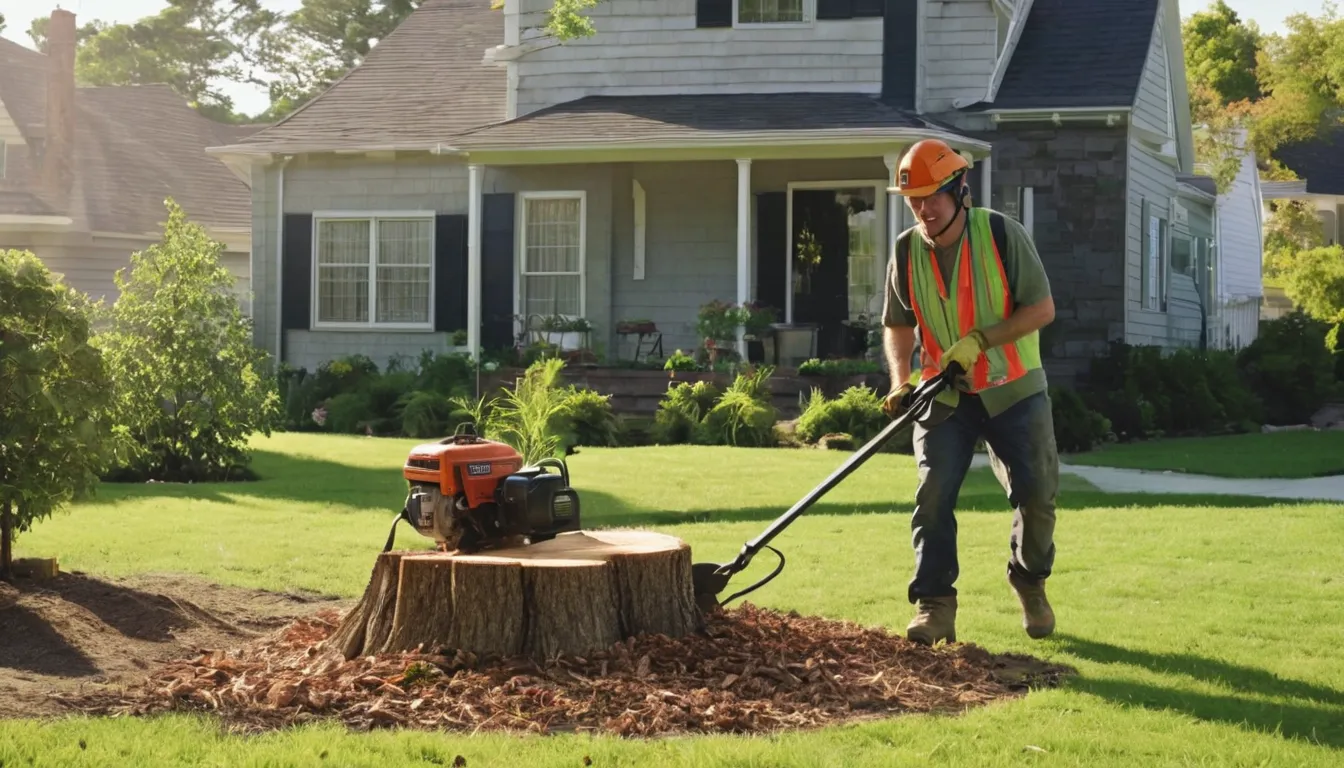
Got a stump that trips the kids, dulls your mower blade, or just won't go away? You have options. Stump grinding uses a machine to shred the wood below ground level, so the yard can be used again without digging out the whole thing.
Globevillage Tree Service is a referral service. We do not grind stumps ourselves. We connect homeowners in College Park and the College Park area with independent providers in our network who do the work. You can ask questions, compare your choices, and plan the visit around your week. Nobody is pushed into anything, and you can request an estimate with no obligation.
Maybe you have walked around it for years. That is common. But a stump does not stay quiet forever, and it is much easier to handle on your schedule than after it becomes a problem.
Stumps cause small headaches that grow over time. Here are the usual ones:
Decaying wood is a snack for insects. In humid summers, the rot speeds up. If your house sits close by, that is worth thinking about.
Some trees send up shoots from the stump and roots. Grinding removes the wood that feeds many of them, though a few may still appear later.
A provider brings a grinding machine with a spinning cutter wheel. They move it side to side across the stump. Each pass shaves the wood into chips. Most providers go several inches below the soil line, and deeper if you plan to plant there.
The job usually goes faster than people expect. A small stump may take under an hour. Big ones with wide roots take longer.
Grinding leaves the roots underground to rot away slowly. Full removal digs out the stump and major roots. It costs more and leaves a bigger hole.
Not sure which one you need? Ask the provider what they suggest for your plan.
Prices vary by job, so a written quote matters. These things move the number most:
Older homes with small yards and fences can make it harder to move the machine in. Mention that when you ask for an estimate.
A little prep makes the visit smooth. Try this list:
Yes, ask about it. Many areas let you request a utility line check before digging work. A provider can tell you what they need.
Many homeowners find stumps left after a tree falling service or storm tree clearance. Maybe the crew only cut the trunk. Maybe the last owner never finished the job. Old stumps can still be ground, even if they have been there for years. Softer, rotted wood is often quicker to cut.
Grinding leaves a mound of chips and soil. You can ask the provider to:
Hauling often costs extra, so settle this before the work starts.
The spot is ready for a fresh start. Plan your next step:
Water the new patch during dry stretches. In colder months, the freeze and thaw cycle can settle the soil, so you may need to top it off in spring.
Stump grinding is loud but usually short. Ask for a window that works with school drop-offs, work calls, or naps. Many providers can work around your routine. Some may offer early or late slots, but availability depends on the provider.
Ask before the saw, or in this case, before the grinder. A few good questions:
After a nor'easter or heavy wind, a broken stump or loose root ball can be a hazard. If a tree just came down and you need it cleared first, that is a different service. Once the area is safe, grinding is the tidy final step.
You do not need to figure it all out alone. Request a callback to talk through your stump, or send in the request form. We will point you toward independent providers who can look at your yard and give you a clear quote.
A machine shreds the stump below ground level so your lawn can heal.
Roots that rise above the soil can be ground down to stop trips and mower hits.
Have more than one stump? Many providers can handle them all in a single visit.
Ask the provider to leave chips for mulch, haul them off, or fill the hole.
Prices change with stump size, wood type, and access to your yard. These are typical U.S. ranges only. Always ask the provider for a written quote before work begins.
| Item | Typical range | Notes |
|---|---|---|
| Small stump (under 12 in.) | $100 – $250 | Quick job, easy access |
| Medium stump (12–24 in.) | $200 – $450 | Most common backyard size |
| Large stump (over 24 in.) | $400 – $800 | More time and wider roots |
| Minimum visit charge | $100 – $200 | Some providers set a floor price |
| Chip haul-away | $50 – $200 | Depends on volume |
| Full stump and root removal | $350 – $1,000 | Digging is heavier work |
Request a callback or send the request form with details about your stump and yard.
We point you to an independent local provider who serves your area.
Compare the written estimate, cleanup plan, and timing.
The provider grinds the stump, and you restore the spot with soil, grass, or plants.
We explain grinding versus full removal in plain words so you can choose before anyone starts.
Local providers in our network do the work, not us.
Ask about timing that fits school runs, work hours, and busy weekends.
Ask questions and request an estimate without any pressure to book.
Questions about a tree on your property? Request a callback to check provider availability, or send the request form and ask for an estimate.
Many small stumps take under an hour. Large stumps with wide roots can take longer. The provider will usually estimate the time after seeing the stump size, wood type, and how easily the machine can reach it.
For most lawns, grinding is simpler and leaves less mess. Full removal digs out roots and suits building or paving plans. Ask the provider which one makes sense for what you want to do there.
Often yes, once the hole is filled with topsoil. Wood chips can pull nitrogen from the soil, so many providers suggest removing most of them first. Ask what they recommend for your planting plan.
Questions about a tree on your property? Request a callback to check provider availability, or send the request form and ask for an estimate.
No obligation